Laser Gum Treatment in Prescott, AZ
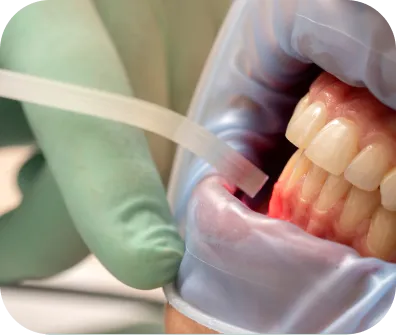
Laser periodontal therapy uses focused light energy to address diseased gum tissues and help restore healthier support for your teeth. This approach is one of several tools our dentist may use when pockets around teeth harbor persistent infection or when conventional cleaning alone has not produced lasting results. If you are exploring options for treating gum problems, laser gum therapy in Prescott, Arizona, may be part of a conservative, tooth-preserving plan tailored to your needs.
How Laser Periodontal Therapy Works
A dental laser concentrates energy in a narrow beam that can remove diseased soft tissue, reduce microbial load in periodontal pockets and assist in reshaping tissues that have become irregular. Unlike broader surgical instruments, the laser provides a high level of control, allowing the clinician to address affected areas precisely. Many clinicians combine laser therapy with mechanical root debridement or other therapies to maximize healing potential.
Who May Benefit From Laser Gum Procedures
Laser-assisted care in Prescott, AZ, is considered for patients who show signs of moderate periodontal breakdown, persistent pocketing after initial therapy, or localized areas that do not respond to scaling and root planing alone. It can also be an option for patients who prefer less invasive alternatives to open-flap surgery. Our dentist will evaluate clinical measures such as pocket depths, bleeding on probing and tissue attachment levels to determine whether laser treatment is appropriate.
Potential Advantages Compared With Traditional Techniques
Laser gum treatment in Prescott, AZ, can offer several distinct clinical and practical advantages when selected for the right indication. These may include:
- Focused treatment of diseased tissue while preserving healthy structures
- Enhanced visibility in narrow pockets due to the laser's precision
- Shorter procedural times in many cases when combined with nonsurgical therapy
- Potentially reduced need for extensive incisions or tissue manipulation
- Compatibility with staged treatment plans that progress from conservative to more involved care if needed
What Happens During Treatment
Appointments vary by case complexity. After an exam and measurements, our dentist will gently access the periodontal pocket and use the laser to treat the targeted area. Instrumentation to remove calculus and bacterial film from the root surface commonly accompanies the laser phase. The objective is to create an environment conducive to reattachment of the tissues and to decrease factors that promote ongoing inflammation. Local anesthesia may be used as indicated, and the team will explain options before treatment begins.
Aftercare, Maintenance and Expectations
Recovery typically involves a short period of mild tenderness and routine follow-up to assess healing. Because periodontal disease is a chronic condition, success depends on supportive care that includes:
- Professional maintenance cleanings at intervals recommended by your clinician
- Meticulous home care, including effective brushing and interdental cleaning
- Smoking cessation and control of systemic contributors such as uncontrolled diabetes
- Timely reassessment if pockets persist or return
Questions to Ask at Your Consultation
When you meet with Dr. Bryan Reeder, consider asking about the specific laser technology used, expected outcomes for your particular pattern of disease, how treatment fits into a broader maintenance schedule and whether adjunctive therapies are recommended.
If you are interested in an approach that emphasizes precision and the potential to limit more invasive surgery, call Prescott Peak Dental at 928-445-0582 and schedule a consultation to discuss laser gum treatment in Prescott, AZ. Our dentist will review diagnostic findings, discuss realistic goals and help you choose a treatment pathway that supports the long-term health of your gums and teeth.
Frequently Asked Questions About Laser Gum Treatment
Contact Us
We'd Love to Hear From You