Frenectomy in Prescott, AZ
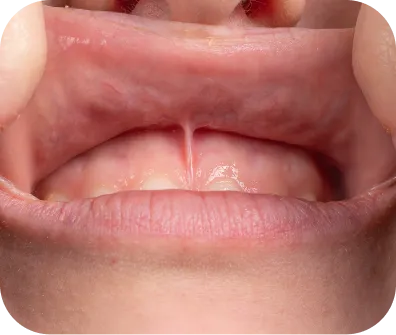
A frenectomy is a minor oral surgical procedure that removes or reshapes a band of tissue called a frenulum that restricts normal movement in the mouth. When a frenulum interferes with speaking, eating, dental development or the fit of a denture, surgical correction can restore function and reduce related problems. Frenectomy in Prescott, Arizona, is commonly performed for infants, children and adults, and modern techniques make it faster and more comfortable than in the past.
What Is a Frenulum Problem and Why Treat It
A problematic frenulum can limit tongue mobility, pull on gum tissue or create a gap between teeth. These issues are not merely cosmetic. They can affect breastfeeding in newborns, speech clarity in young children, gum health around front teeth, and the stability of dental prostheses. Dr. Bryan Reeder will consider how the tissue affects daily function and long-term oral health before recommending treatment.
Types of Frenectomy and How They Differ
There are two primary locations that may require a frenectomy treatment in Prescott, AZ:
- Lingual frenectomy: Addresses the tissue beneath the tongue that can restrict tongue extension and articulation.
- Labial frenectomy: Targets the band of tissue connecting the upper lip to the gum above the front teeth, which can contribute to gum recession or a persistent gap between the front teeth.
Techniques vary from traditional scalpel removal to tissue-sparing approaches using laser energy. Laser frenectomy often reduces bleeding, shortens procedure time and can result in less postoperative discomfort, but our dentist will advise which method best matches your needs.
Who May Benefit From a Frenectomy
People of all ages may need this procedure depending on the functional effect of the frenulum. Typical candidates for frenectomy in Prescott include infants who have difficulty latching or feeding, children whose speech is limited by restricted tongue movement, adults experiencing gum irritation or denture fit problems related to a tight frenulum, and orthodontic patients when a persistent gap remains after tooth alignment.
What to Expect During the Procedure
Before the procedure, our dentist will review medical history and explain anesthesia options. For infants and many children, local anesthesia or topical numbing may be sufficient. Adults often choose local anesthesia with or without sedation. The operation itself is usually brief. After the tissue is released, sutures may be placed if needed, or the area may be allowed to heal naturally depending on the technique used.
Recovery, Aftercare and Results
Healing timelines differ, but most patients experience only mild discomfort that responds to over-the-counter pain relievers as directed. Follow-up may include simple stretching exercises to prevent reattachment and to preserve mobility. Good oral hygiene and gentle care of the surgical site support faster recovery. Our dentist will give specific guidance about eating, activity and signs that warrant an earlier return visit.
Benefits and Potential Considerations
A successful frenectomy can improve feeding, make speech therapy more effective, reduce gum stress and allow dental work to fit correctly. As with any procedure, there are risks including temporary swelling, minor bleeding and the rare need for additional treatment. A thorough assessment prior to surgery ensures that the expected advantages outweigh any potential drawbacks.
If a tight or troublesome frenulum affects your daily life or your child's comfort, call Prescott Peak Dental at 928-445-0582 and schedule a consultation to learn if frenectomy in Prescott, AZ, is right for you. Our dentist can evaluate the situation, explain the options in detail and outline a personalized plan that prioritizes function, safety and predictable results.
Frequently Asked Questions About Frenectomy
Contact Us
We'd Love to Hear From You