Wisdom Teeth Removal in Prescott, AZ
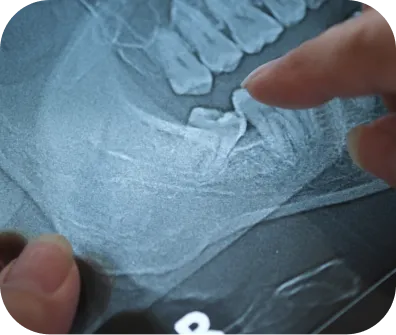
Wisdom teeth removal in Prescott, Arizona, is a common oral surgery that many patients face in their late teens or early adulthood. These third molars often develop after the rest of the adult teeth are in place, and because the jaw may not have adequate room, complications can arise. If you are experiencing discomfort, pressure in the back of the mouth or recurrent inflammation, an evaluation can determine whether extraction is the safest path forward to protect your long-term oral health.
Why Wisdom Teeth Often Require Removal
Not every wisdom tooth needs to be removed, but they are more likely than other teeth to cause problems because of the timing and location of eruption. When a wisdom tooth cannot emerge properly, it may press on adjacent teeth, become partially exposed to the oral environment or sit angled beneath the gum. These scenarios raise the risk of infection, damage to nearby roots and encroachment on orthodontic results. In addition, crowded molars can make thorough cleaning difficult, increasing the chance of decay or gum disease in hard-to-reach areas.
Signs That You May Need an Extraction
Understanding the warning signs may help you seek care before a problem escalates. Contact Prescott Peak Dental if you notice persistent pain in the rear of your mouth, difficulty opening your jaw fully, or swelling that does not subside. Repeated infections around the gum tissue near the wisdom teeth, unexplained bad breath or discomfort when biting down are other indicators that an assessment is warranted.
When Wisdom Teeth Removal Is Recommended
Dr. Bryan Reeder bases his recommendation for wisdom teeth removal in Prescott, AZ, on clinical findings and imaging results. Common reasons to remove wisdom teeth include:
- Impaction that places pressure on adjacent teeth or causes significant tooth angulation.
- Recurrent inflammation or infection localized to the area around a partially erupted tooth.
- Decay that affects the wisdom tooth or the neighboring second molar and cannot be managed conservatively.
- Development of cysts or pathology identified on radiographs associated with the tooth.
- Interference with planned dental treatment, such as orthodontics or restorative work that requires stable tooth positions.
What Happens During the Procedure
Wisdom teeth extractions in Prescott, AZ, range from simple to surgical, depending on the tooth's position. Local anesthesia is commonly used, and sedation options are available for patient comfort. The surgeon accesses the tooth, removes any overlying tissue or bone as needed, and extracts the tooth. When necessary, small sutures are placed to help tissue heal. Your provider will explain the anesthesia choice, the expected steps of the operation and any specialized techniques that may make the procedure more efficient and less invasive.
Recovery and Practical Aftercare Tips
Initial healing typically occurs within a week, though complete bone remodeling takes longer. To support recovery, follow instructions regarding rest, dietary choices and oral hygiene. Use prescribed medications as directed and avoid actions that may disrupt clot formation, such as smoking or using a straw. Cold compresses can help control swelling during the first 24 to 48 hours, while warm rinses and gentle cleaning are usually advised after the initial healing phase.
If you are uncertain whether your wisdom teeth should be removed or want a second opinion, call our team at 928-445-0582 and schedule a consultation with our skilled dentist. Appropriate imaging will clarify the situation so you can proceed with confidence and protect your dental health over the long term.
Frequently Asked Questions About Wisdom Teeth Removal
Contact Us
We'd Love to Hear From You