Bone Grafting in Prescott, AZ
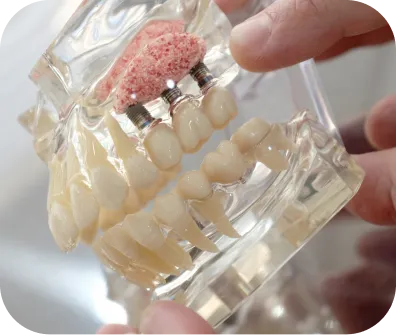
A bone graft is a surgical procedure used to restore lost or deficient bone in the jaw so that restorative treatments can be successful. When the natural bone has diminished due to tooth removal, periodontal disease, infection or long-standing tooth loss, there may not be enough support for a future implant or to maintain facial structure. A bone graft in Prescott, Arizona, rebuilds that foundation so you can pursue stable, long-lasting dental solutions.
Why a Bone Graft Might Be Recommended
Our dentist may suggest grafting when imaging shows insufficient bone volume or poor bone quality at a site where an implant, bridge or other procedure is planned. Rebuilding the bone can improve the likelihood of treatment success and help preserve the contours of your jaw and smile. The recommendation is based on a careful review of models, X-rays or a cone beam scan, together with your health history and treatment goals.
Types of Bone Grafts & Materials
Bone grafting in Prescott, AZ, is not one-size-fits-all. The choice of material and technique depends on the clinical need and your preferences.
Common graft types include:
- Autograft: bone taken from another area of your own body, such as the chin or hip, which offers excellent compatibility and healing potential
- Allograft: processed human donor bone from a tissue bank, which avoids a second surgical site and is widely used in dentistry
- Xenograft: bone derived from an animal source, carefully treated for safety and often used to preserve ridge shape
- Alloplast: synthetic bone substitutes that can support new bone growth and avoid biologic sourcing concerns
Dr. Bryan Reeder will explain the advantages and trade-offs of each option so you can make an informed decision.
How the Procedure Works
Bone grafting in Prescott is typically performed under local anesthesia with sedation available if you prefer. After the area is accessed, the chosen graft material is placed where additional bone is needed. A membrane or stabilizing material may be used to protect the graft while new bone forms. In some cases, a temporary restorative solution is provided so you do not feel self-conscious during healing. The graft integrates over several months as new bone gradually replaces and incorporates the graft material.
Recovery & Aftercare
Healing timelines vary, but most patients can expect some swelling and mild discomfort for a few days. Follow these general guidelines to support recovery:
- Take prescribed medications and use cold packs as recommended to manage swelling
- Eat soft foods and avoid chewing directly on the graft site for the first week or as instructed
- Keep your mouth clean with gentle rinsing, avoiding vigorous spitting or rinsing early on
- Attend scheduled follow-up visits so your clinician can monitor bone integration and plan next steps
What to Expect Long Term
Successful grafting creates a stronger, more reliable platform for implants or other restorative work. In addition to allowing definitive tooth replacement, grafting can help preserve facial contours and prevent neighboring teeth from shifting. Our dentist will discuss the projected timeline to move forward with implants or prosthetics, typically once imaging confirms adequate new bone.
If you are considering implant dentistry or have been told that bone is inadequate for treatment, call Prescott Peak Dental at 928-445-0582 and schedule a consultation for bone grafting in Prescott, AZ. Our team will review your options, explain the procedure in detail and outline a personalized plan to restore both function and appearance to your smile.
Frequently Asked Questions About Bone Grafting
Contact Us
We'd Love to Hear From You